ITPG-GT 2040 – 001 (15710)
Thursdays 9:30AM-Noon
[Home | 02025 Syllabus | 02025 Assignments | Ideas | Resources | Gallery]
- Structure & Teaching Methodology
- Office Hours
- Student Documentation
- Assignments
- Syllabus
- Class 5 Scheduling Note
- Week 1, Sept 4: Gnomon
- Week 2, Sept 11: Ecliptic
- Week 3, Sept 18: Time Machines
- Week 4, Sept 25: Time Code
- Week 5, Friday Oct 3: HSNY
- Week 6, Oct 9: Time Design
- Week 7, Oct 16: Midterms
- Week 8, Oct 23: Where/When Are We?
- Week 9, Oct 30: Tech II
- Week 10, Nov 6: Seeing Time
- Week 11, Nov 13: Time/$
- Week 12, Nov 20: Memory/Entropy. Workshop
- Week 13, Dec 4: Finals I
- Week 14, Dec 11: Finals II
- Class Policies
Structure & Teaching Methodology
This is a production course about big ideas. I’ve tried to organize the syllabus to interlace conceptual and technical topics, as I want to provide new tools for interesting work along with thought-provoking ideas to fuel your creativity. As often as possible, classes will have both, with an emphasis on creative discussions during class meetings (as technical issues can be addressed in office hours). There is so much a Time class could cover; I’ve tried to filter for material that is actionable, inspiring, and important. That sill leaves way more than can fit in fourteen weeks. Nevertheless…
This is a 14-week course that meets once a week in person. During class we will discuss conceptual and technical information related to time, provide feedback on assignments, and have opportunities for hands-on technical practice with hardware and software. Weekly prompts will guide work outside of class and build toward a final project, while weekly time-themed readings will stimulate discussion. The course will cover both hardware and software, and students will have the flexibility to design their final project around material availability.
Office Hours
I have an NYU office hour calendar and will be posting hours there when the semester begins. Generally this fall I’ll be at ITP Tuesdays and Thursdays, and am happy to arrange times to meet in person those days, or online other days.
Student Documentation
As is typical at ITP, please document your work for this class online. Set up a URL that shows only work for this class – if you’re using a blog, have a tag or category for the class, for example. In the first half of the class, your weekly assignments should be documented on your site. In the second half, post progress reports on your final. Midterm and final presentations should be on the site, including references.
I will use a shared class spreadsheet to compile things like links to your documentation. Access the doc through your NYU account.
Assignments
Details about all assignments are on the 02025 Assignments page.
Overview
The first half of the semester there are weekly production assignments that will function as studies for a final project. The midterm consists of refining one of your studies, presenting an overview of your work so far, and proposing a final.
The second half of the semester you will continue developing your final project, which has the opportunity to be displayed at a special show at the Horological Society of New York.
Throughout the semester, students will take turns facilitating weekly discussions.
Deliverables
- Sundial, due week 2, Sept 11
- Time pattern study, due week 3, Sept 18
- Hardware timekeeper, due week 4, Sept 25
- Software timekeeper, due week 5, Friday Oct 3
- Design study, due week 6, Oct 9
- Midterm, presented week 7, Oct 16
- Final, presented weeks 13 and 14, Dec 4 and Dec 11
- One week as discussion facilitator, dates to be assigned.
For more detail on assignments, refer to the 02025 Assignments page.
Readings
I’ve collected most of the readings (and in some cases, longer source materials from which they are taken) in a class reading packet accessible through your NYU account. Weekly short readings will be assigned throughout the semester and discussed the following week.
(Pssst – I’ve also uploaded most of the reading sources to this NotebookLM. Is that useful? Can anyone get value from that? I’d love to know. I think I have to add access individually. If you want it and don’t have it email me.)
There are also a lot of materials in the syllabus under the Ideas and Resources categories. You will review this material at the outset of class, as they will form a common set of vocabulary and reference points for ongoing course discussions. I also maintain an expanding glossary of time-related terms, and expect you to become familiar with, and use, the terms that most interest you.
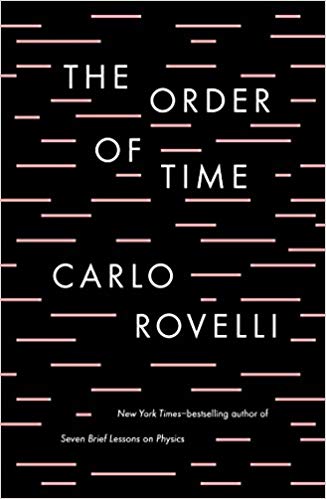
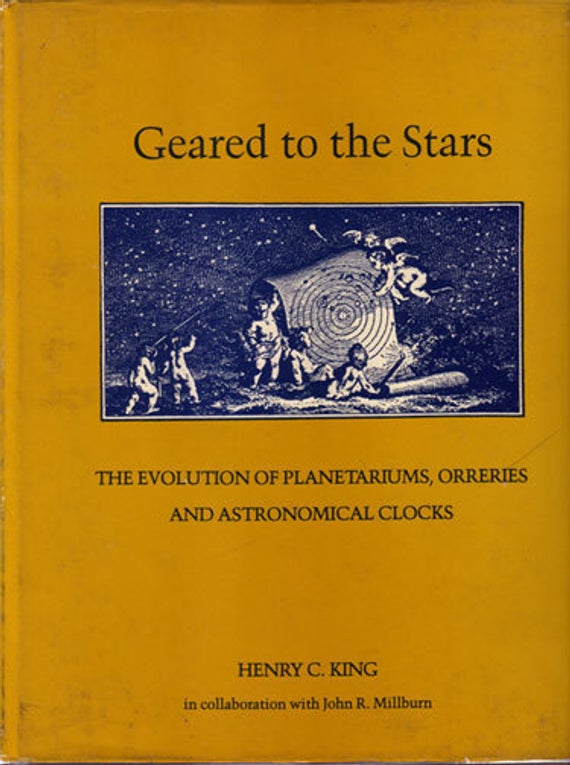
In the past I have assigned one of two complete texts: Carlo Rovelli’s small, beautiful book, The Order of Time, or Jay Griffiths’ wide-ranging and thought-provoking work A Sideways Look At Time (also known as “Pip Pip” in the UK). Both remain highly recommended, but this year I will assign a wider-range of shorter readings from more authors, including selections from Griffiths and Rovelli.


Syllabus
Class 5 Scheduling Note
Important note: The 5th class will meet at the Horological Society of New York Friday October 3rd. Exact time TBD. Students that have a conflict may visit HSNY at a different time before class 6.
20 West 44th Street, Suite 501
New York, NY, 10036
(212) 704-404
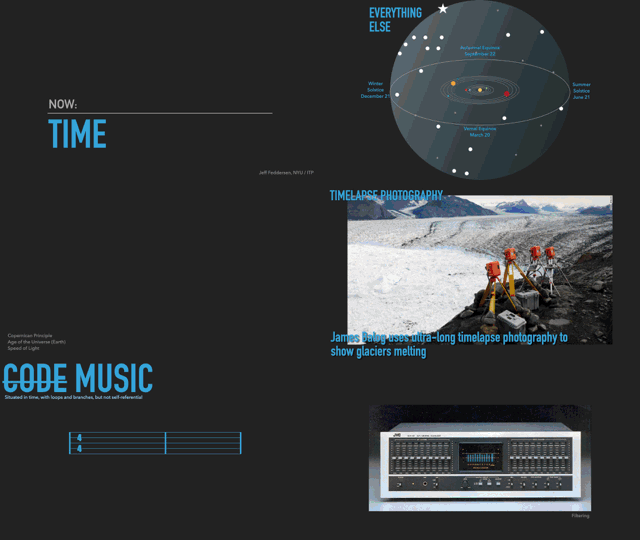
Throughout the semester I will use slides to illustrate points, guide discussions, and generally help me organize the material I want to cover in each class. These are generally not designed as stand-alone documentation; however, to the extent they will be useful I will share drafts with the class. If anyone has difficulty seeing the material in class or accessing it when shared, please let me know so we can work out how best to get the material to you. You can see last year’s slides from that syllabus; I will modify or update these as I prep material for this year.
Week 1, Sept 4: Gnomon
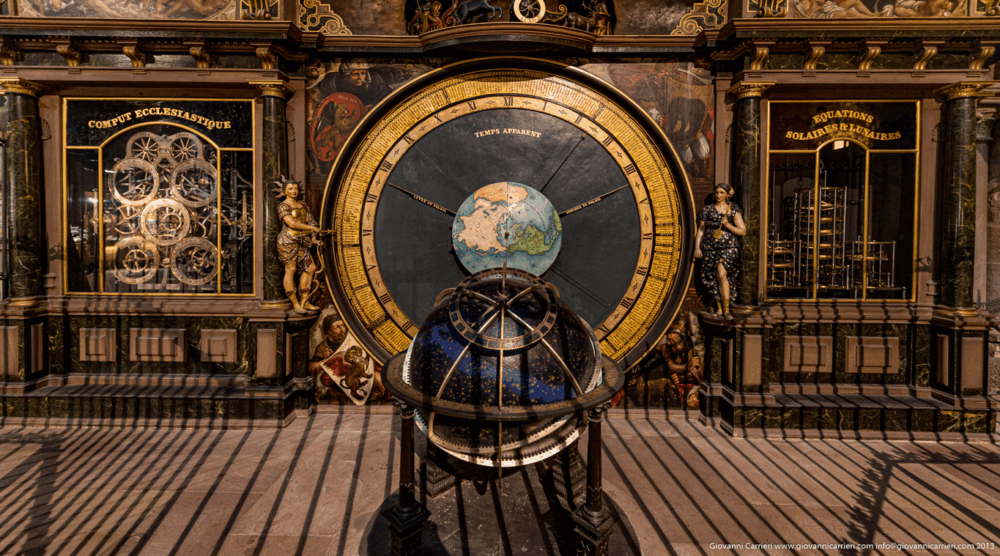
The ancient term “gnomon” relates to old ideas of human knowledge. The gnomon of a sundial casts a moving shadow as the sun appears to move, and from studying this we can understand the* universe, as humans have done throughout time.
- In-class Activity: Elevation, Azimuth and AUs
- Assignment: Build and document a sundial
- Reading (all readings are in the drive packet unless noted):
- Question: What chronological patterns in time do you feel most directly? Kairological?
- Todo: Setup documentation and share link on the class spreadsheet.
- Resources:
- Stellarium, several sundial tools in the Syllabus Resources section.
- Presentation: Intro + Gnomon (pdf)
Week 2, Sept 11: Ecliptic
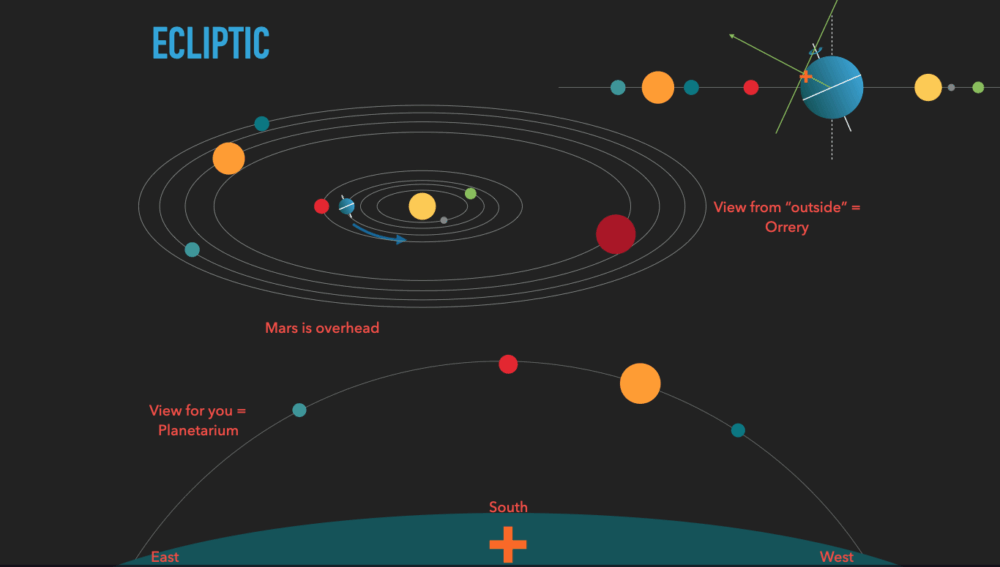
Why does the sun appear to move as it does, changing with latitude and throughout the year? Why do the moon, stars, and planets move in their own ways? To learn more we look to the Ecliptic.
- In-class Activity: Setup discussion facilitators
- Assignment: Document a natural or artificial time pattern that is important to you using time-lapse, slow-motion, stop-motion techniques
- Reading:
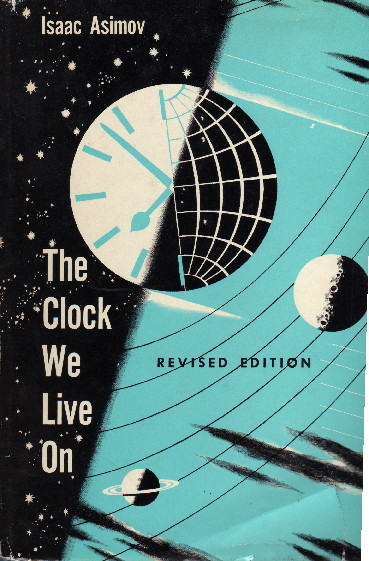
- Asimov, Chapter 4 (packet)
- Brand, Moore’s Law and Singularity
- Question: What is one artifact that helps you reflect on time?
- Resources:
- NIST document on time (packet)
- Hayton, Introduction to the Astrolabe (packet)
- Astropy, suncalc
- Presentation: Ecliptic (pdf)
Week 3, Sept 18: Time Machines
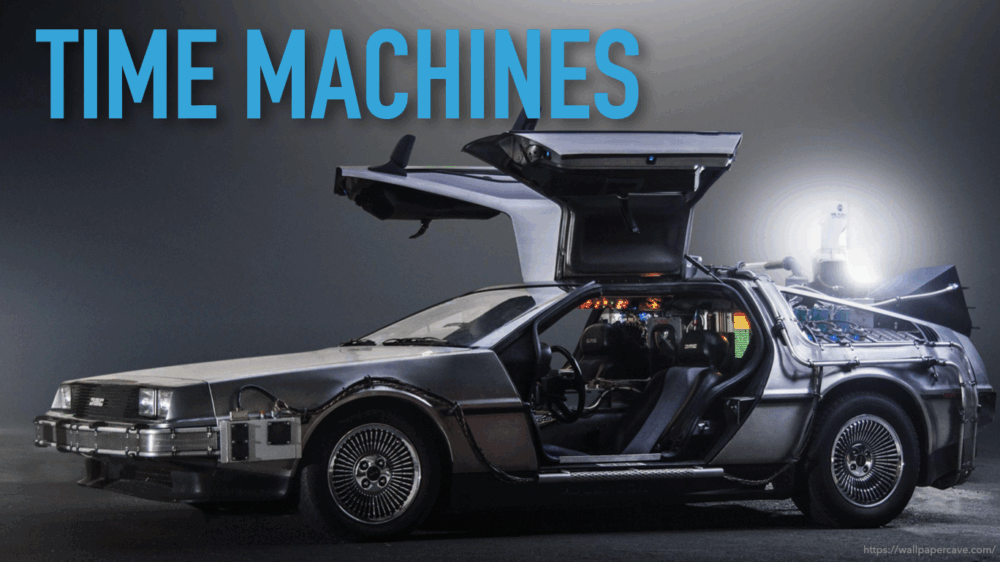
As we find patterns like the movement of the planets in nature, how do we record and predict them? We look at ancient and modern Time Machines comprised of oscillators, escapements, and displays.
- In-class Activity: What time is the meeting?
- Assignment: Create a physical object that reflects time
- Reading:
- Griffiths Excerpts (packet)
- Paul Ford, Code, sections 1 and 2. (Note, this is a mirror of the original Bloomberg version, which recently blocked open access)
- Lera Boroditsky interview (podcast audio, or transcript)
- Question: How are different art forms (sculpture, visual arts, literature, theater, music, film, etc) situated in time? What about language?
- Resources:
- Time hardware under the Resources section
- Ramp, Tasker, Arduino Timer – examples of Arduino time-management tools
- Presentation: Time Machines (pdf)
Week 4, Sept 25: Time Code
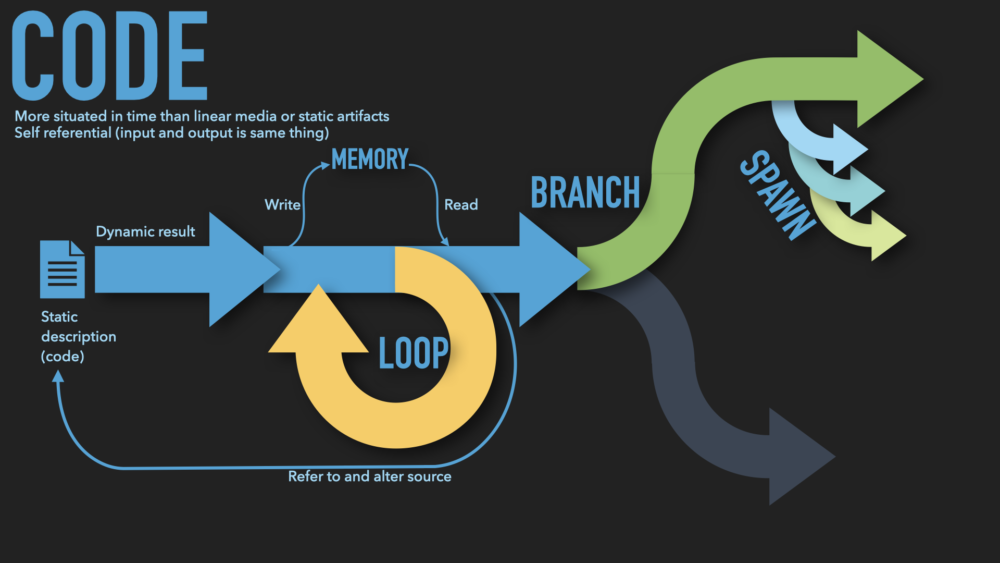
Time Machines eventually evolve into computers running Code. With software, we can dig down to the lowest levels of computer time, and we zoom out to look at big patters that help us program time more artfully.
- Assignment: Create code that changes over time at at least two different rates
- Reading:
- Rovelli, Order of Time chapter 1 (packet)
- Butler, Kindred chapter (packet)
- Time Machine excerpt (syllabus)
- Question: How is time depicted in pop culture? What’s your favorite sci-fi or historical fiction? What games treat time in unusual ways?
- Todo: Note the rescheduled time and place for the next class. Familiarize yourself with HSNY and its library and class offerings.
- Resources:
- Buonomano, Your Brain is a Time Machine
- Presentation: Time Code (pdf)
Week 5, Friday Oct 3: HSNY
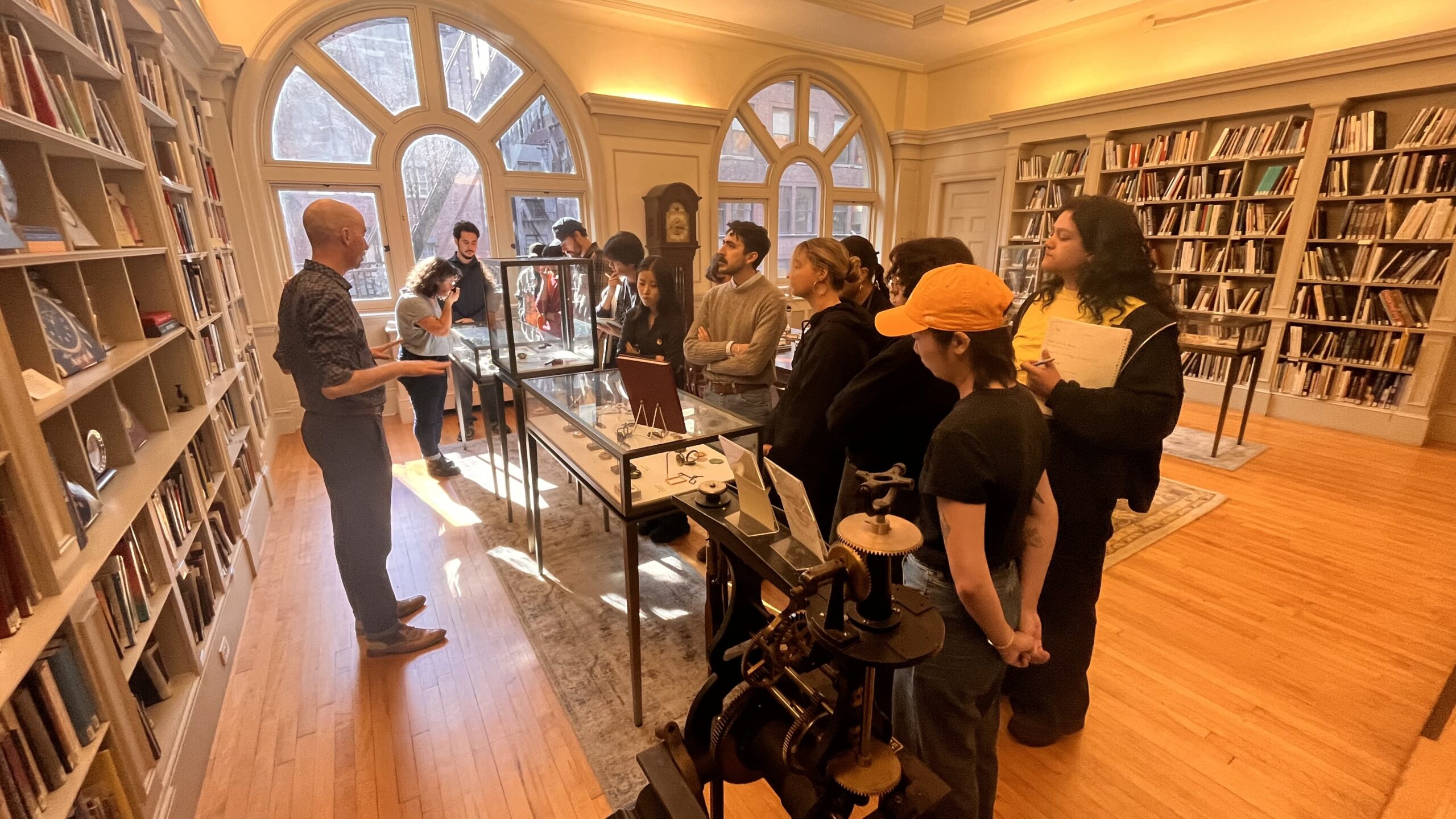
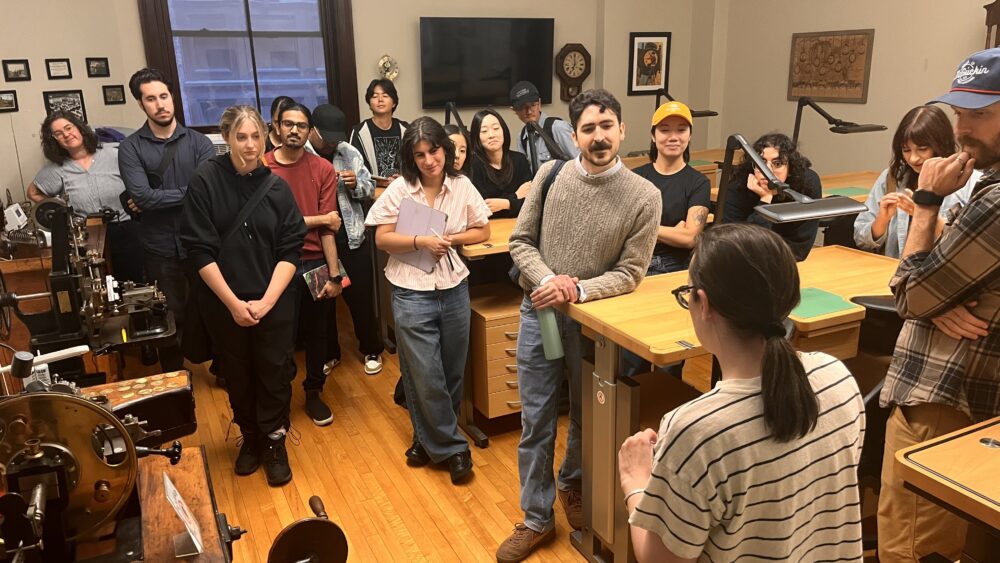
Our HSNY field trip takes us to the heart of time in design and (pop) Culture.
- HSNY Activity: Explore the stacks!
- Assignment: Study one existing watch or clock face closely. Reproduce it (static media or software) and add a unique horological complication
- Reading:
- Rovelli, Order of Time, Chapter 2 (packet)
- McCloud, Chapter 4 (packet)
- Question: Clocks and watches are, generally speaking, made with exquisite care. Why do you think people seem to love designing time keepers?
- Resources:
- Abstract documentary about clock-inspired type faces
Week 6, Oct 9: Time Design
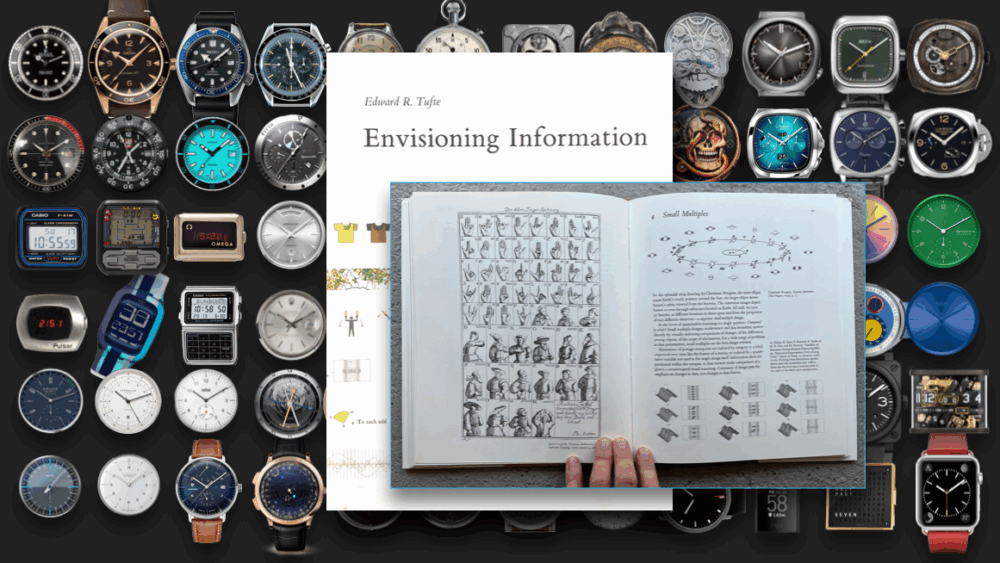
We review the inspiring designs we found after the trip, and see many others.
- In-class Activity: Can AI draw clocks?
- Assignment: Refine one of your previous assignments. Prepare midterm review and final proposal presentation next week.
- Reading: None
- Question: What will you make for the final?
- Presentation: Watch Design part 1 (pdf), Watch Design part 2 (pdf)
Week 7, Oct 16: Midterms
We synthesize everything to date, and propose a final plan at the Midterm review.
- Assignment: None! (or, finalize your final plan, if not done so already)
- Reading:
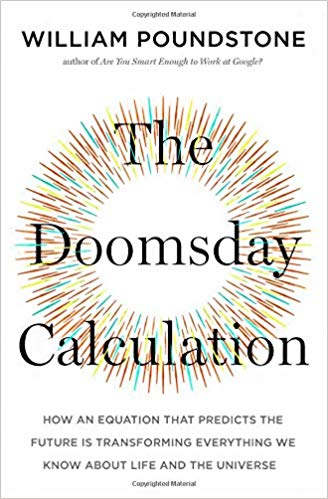
- Poundstone, Doomsday (packet)
- MacAskill, Futurism (packet)
- Question: How many people do you think will exist in the future?
- Resources:
More details on the second half of the semester will be posted as the class gets underway. For now, here is the thematic outline.
Week 8, Oct 23: Where/When Are We?
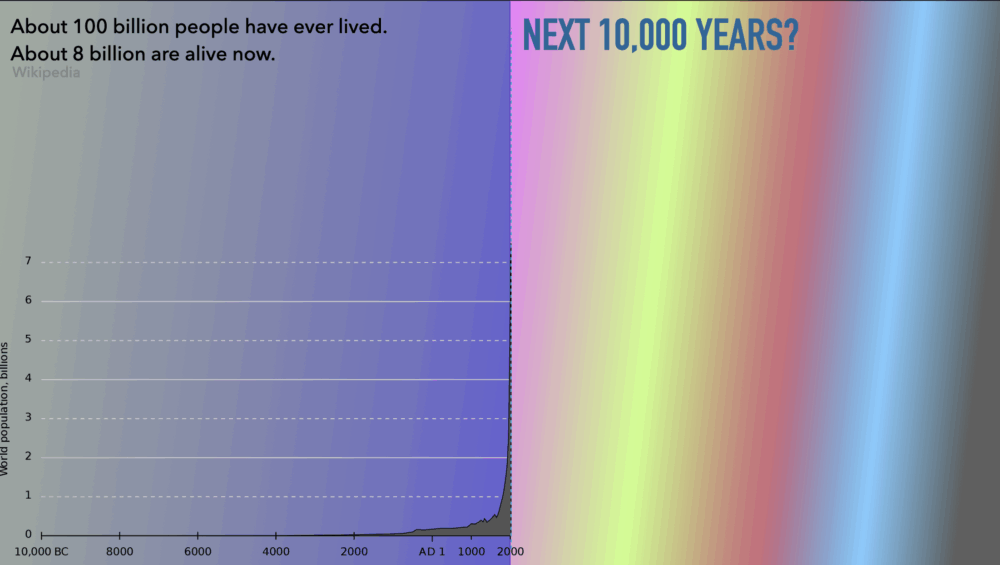
We expand from the solar system to our place and time in the Universe to approach the question of When are We?
- Assignment:
- Finalize the Bill of Materials for your project. If your project is primarily software, outline the key libraries, functions, and interactions of your software.
- Complete this one-question form regarding the HSNY installation.
- Reading:
- Chiang – Catching Crumbs from the Table (packet)
- Chiang – What’s Expected of Us (packet)
- Question: What phenomena can you think of that follow an exponential growth curve, vs. a logistic curve?
- Resources:
- N.K. Jemisin – How Long ‘Till Black Future Month? (packet)
- Presentation:s How Big is the Universe (pdf); When Are We (pdf)
Week 9, Oct 30: Tech II
We build out or repertoire of hardware and software Technical Topics to support development of our final project.
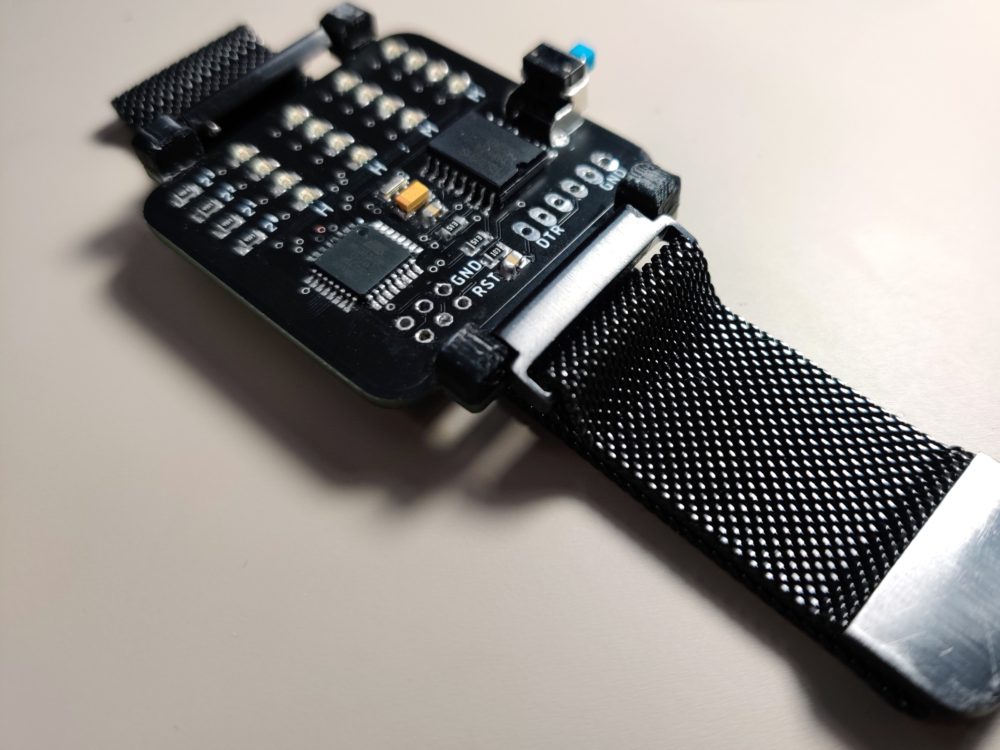
- Assignment: Post a plan for installing your project at HSNY. Include the approximate dimensions of your project; where it would be located; and power and network requirements. Give your project a name.
- Reading:
- Question: Will AI “photography” and video become ubiquitous? Will it affect your memory of the past? Your imagination of the future? What’s your favorite AI slop?
- Resources:
- Benjamin, The Work of Art in the Age of Mechanical Reproduction (link)
- BBC Earth Green Planet Sample (video)
- BBC Earth Behind the Scenes on Techniques Used (video)
- Presentation
- TK
Week 10, Nov 6: Seeing Time
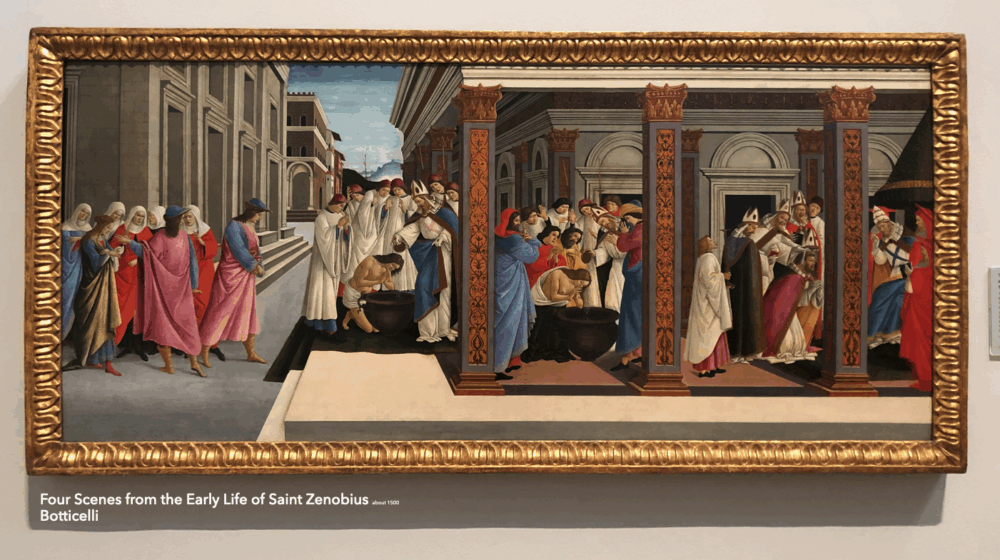
We start a sequence of looking at time in the human world: Seeing Time explores how time is depicted in art.
- Assignment:
- Prototype the minimum-viable product (MVP) version of your project. What is the absolute crucial core concept? Get that working.
- Find the CARI Aesthetic Category that is most “you”, and be prepared to share in class.
- Reading:
- Question:
- Who or what controls your time? What is your time worth?
- Resources:
- Odell Review (packet)
- Oliver Burkman’s blog, author of 4000 Weeks, e.g. The three or four hour rule
- Presentation
Week 11, Nov 13: Time/$
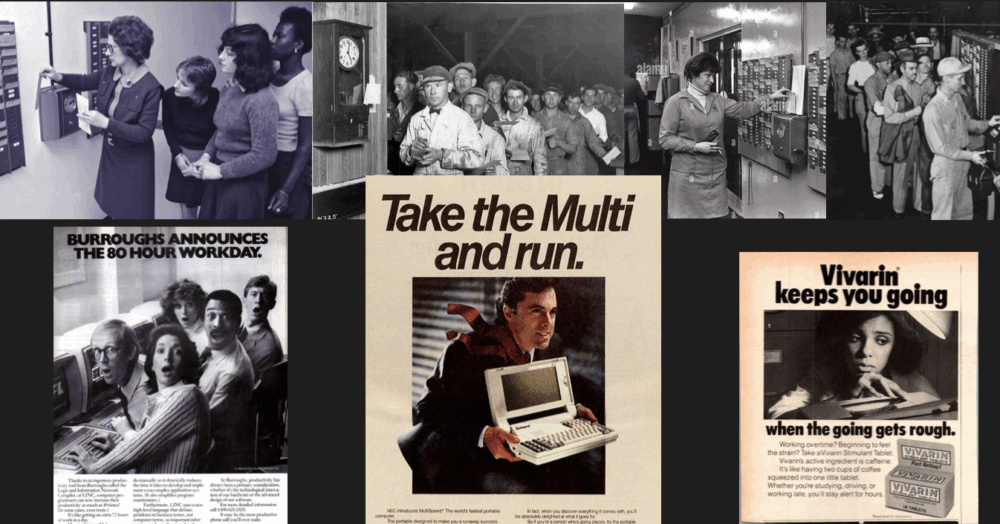
We look at how people equate time and value.
- Assignment:
- Finalize all purchases for your final. If primarily software, finalize all modules, libraries, etc. you intend to use.
- Complete this HSNY Watchmaking 101 Form if you would like to attend a free class Thursday, December 4.
- Reading:
- Boym, Future of Nostalgia excerpt (packet)
- Rovelli, 6th Lesson (packet) Note – this is a chapter from an earlier book by Rovelli, that seems to be the seed of his Order of Time. It offers a nice, concise summary of the ideas we’ve partially encountered earlier.
- Question: What is your first memory? What is something you’ve done for the last time?
- Resources:
- Presentation: TK
Week 12, Nov 20: Memory/Entropy. Workshop
We end reflecting on Memory and Entropy, and use the remaining class time as a production workshop for final projects.
- Assignment
- Reading
- Question
- Resources
- Presentation
Week 13, Dec 4: Finals I
Volunteer and/or primarily software projects.
Week 14, Dec 11: Finals II
Final Presentations II
Hardware projects; end-of-semester wrap-up.
Class Policies
In addition to the university-wide syllabus policies mentioned on the main site, here are some specific policies for the 2024 class:
Grading
The most important thing you can do is arrive to each class on time and be prepared to actively, civilly participate with your peers and engage with the material. Please put your best effort into assignments and readings, and keep a record of your work online. ITP is pass fail, but the equivalent of a B or higher is required to pass.
- 20% In-class work and participation, readings, discussions.
- 30% Production assignments 1-5/midterm review/final proposal
- 10% Discussion facilitator
- 30% Final project
- 10% Documentation
Participation & Attendance
On-time attendance and active participation required. After the first two weeks of the add/drop period, effective in week three onward, students are permitted 2 absences. There are no excused absences and unexcused absences. There are only absences. Any more than 2 of absences will affect your grade. Two late arrivals (more than 10 minutes after start time) will count as 1 absence.
- Thanks Bairui for catching the typo