- Office Hours
- GA
- Course Organization
- Assignments
- Weekly Syllabus (IMA)
- 1. Introductions (Jan 23)
- 2. Kinetic 1 (Jan 30)
- 3. Storage – Capacitors (Feb 6)
- 4. Kinetic 2 (Feb 13)
- 5. Kinetic Presentations (Feb 20)
- 6. Special Topics (Feb 27)
- 7. Solar 1 (March 6)
- 8. Storage – Batteries (March 13)
- [ Spring Break March 20 ]
- 9. Solar 2 (March 27)
- 10. Solar Presentations (April 3)
- 11. Special Topics, R&D Day 1 (April 10)
- 12. R&D Day 2 (April 17)
- 13. Final Workshop (April 24)
- 14. Final Presentations (May 1)
Office Hours
I have an NYU office-hour calendar and will be posting hours here throughout the semester. My NYU email is jeff.feddersen@nyu.edu
GA
The 2026 IMA Energy GA is William Yao! wy538@nyu.edu He will hold office hours too, just for you!
Course Organization
This website is the central source for information about the class. NYU Brightspace will be used for attendance and assignment tracking.
Assignments
This is a production course consisting of two hands-on projects (kinetic and solar) and a final project of your choosing. You will also give a presentation on research into an energy topic of your choice. Longer project briefs will be posted to Brightspace.
Smaller weekly assignments, posted on Brightspace, will cover readings and discussion topics, and break down steps that help complete your projects.
Most classes will consist of both a lecture/discussion protion and a hands-on lab. Please bring your Creative Computing parts and tools to each class.
When submitting homework to Brightspace, you may enter text directly, upload a pdf, or link to your IMA documentation website if you maintain one.
Kinetic Project (Feb 20)
Turn motion into electricity.
Solar Project (April 3)
Turn light into computation.
Research Presentation (April 10 and 17)
Present on a topic of your choosing.
Final Proejct (May 1)
Show your final project.
Group Work
You must work in groups of 2-3 for the kinetic and solar projects, as these have material requirements. You may work in a group of 2-3 for the research project, and a group of up to 4 for the final project. However, for the research and final you may work individually as well if you prefer.
Participation
The class meets once a week. Classes will generally split time between a first half of lectures and discussions, and a second half of lab sessions where we will do hands-on work building towards the projects.
Your engaged participation in class (both listening and speaking) is extremely important. The class works best if you actively work to get information out of me! A distant second best is if you passively receive information I present. And worst of all is not receiving the information at all by missing the class, arriving late, or not paying attention. (Tip – this is true of most classes.)
If you have any issues and can’t join class meetings, please let me know before the class so I can plan accordingly. In general, zoom or recordings of classes will not be available. Chronic lateness or early departure will also affect your grade.
There are no excused absences or unexcused absences. There are only absences. Any more than 3 absences will affect your grade. Two late arrivals (more than 10 minutes after start time) will count as 1 absence.
For example:
4 absences will result in your highest possible grade being a B instead of an A
5 absences will result in your highest possible grade being a C instead of an A
6 absences will result in your highest possible grade being a D instead of an A
7 absences will result in an automatic F for the course
Grading
For weekly assignments, students will receive a 0, 1, or 2 on quality of work (these are adapted from the IMA Physical Computing criteria):
- Quality of work
- 0 – Lack of effort/interest: Student did not submit assignment or submitted incomplete assignment
- 1 – Satisfactory/Good: Student submitted assignment and demonstrated a solid degree of effort, interest, and engagement in the subject.
- 2 – Great: Student demonstrated excellence in the assignment.
The kinetic, solar, research, and final projects will be graded with a multi-part rubric where each category will be assessed on the same 0-2 point scale. Details will be in the project briefs.
Overall weighting:
- 15% Kinetic Project
- 15% Solar Project
- 15% Research Project
- 25% Final Project
- 30% Weekly Participation, Documentation, Attendance
Weekly Syllabus (IMA)
1. Introductions (Jan 23)
Friday, January 23
Introductions: Who am I, and who are you? Where did this class come from? Overview of the semester and assignments.
Presentation: The 2003 East Coast Blackout
Discussion: What’s the longest you’ve gone without electricity?
Reading: Review the syllabus carefully and understand what will be expected of you throughout the semester.
Homework (Due end-of day (EOD) next Monday with Brightspace response):
- Review the syllabus. Get a sense of what material is there and how to find it.
- Complete the course intake form.
- Order the Smil text, which may be available through the NYU Bookstore or online.
2. Kinetic 1 (Jan 30)
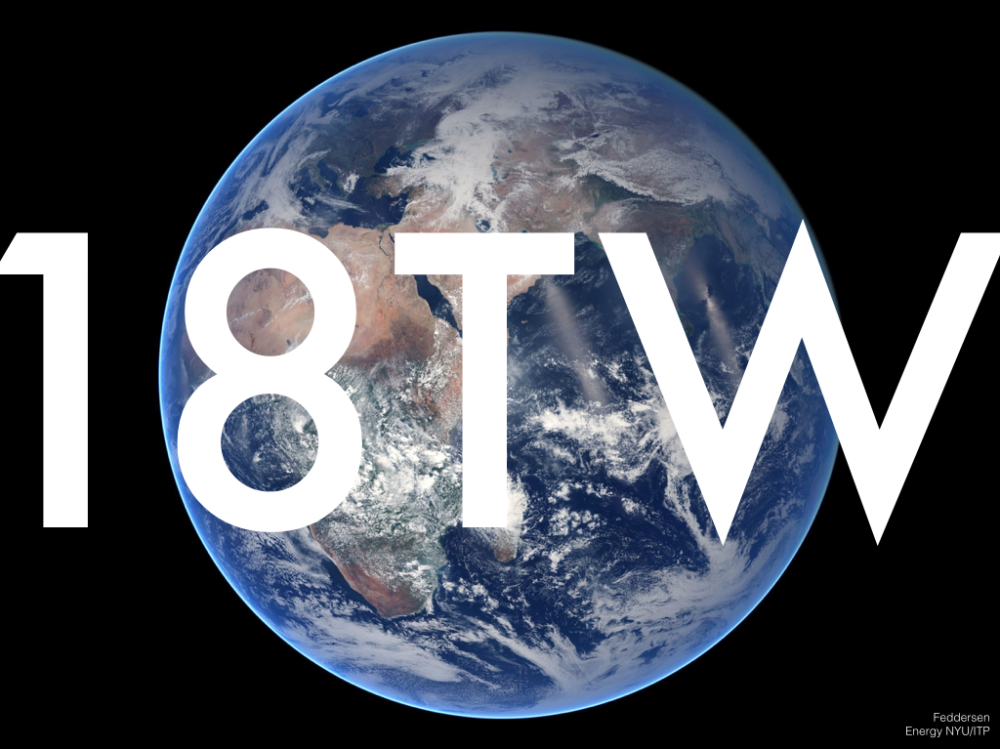
Topic: The energy of moving things. The history of energy since the Big Bang. Kinetic and potential energy formulas. The First and Second Law of Thermodynamics.
Presentation: Kinetic Energy, 15 minute energy.
Reading: Stuart McMillen’s illustrated essay about energy in terms of the human body. This idea traces back to Buckminster Fuller, and is the basis for former Energy Secretary Steven Chu’s concept of energy servants. Content note: this work uses the image of fictional ‘energy slaves’ as a central metaphor for this comparison.
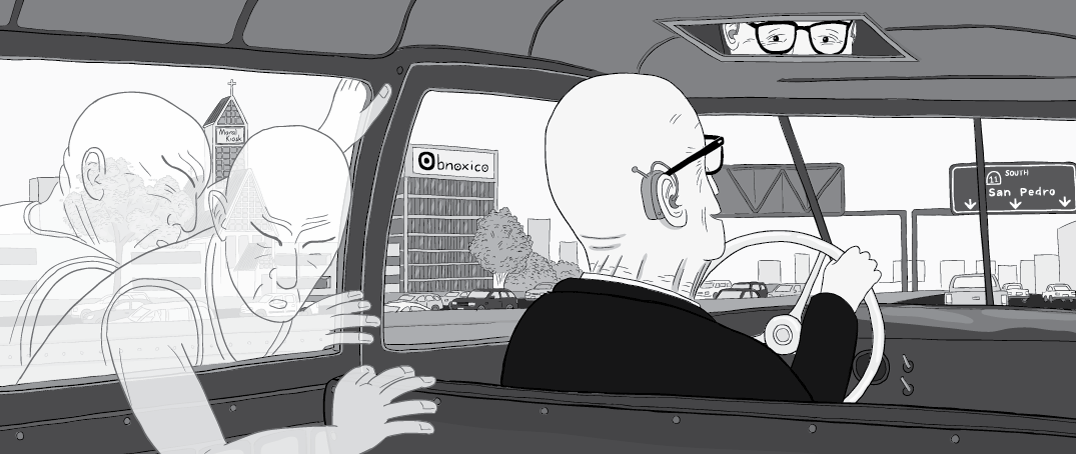
Several additional written essays by McMillen discussing the work and the ideas behind it are great optional resources for additional material. Thanks go to Todd Whitney from Energy 2021 for finding this excellent resource.
Homework (refer to Brightspace for all details):
- Read the McMillen illustrated work.
- Answer the questions about the reading for next week’s discussion.
Describe your kinetic project plans in a couple sentences.Video your generator lighting up LEDs.
Parts lab: If our course parts have arrived, I’ll hand out those components to get you started on the Kinetic Project. We’ll also review how to use a multimeter.
Extra resources: We will review material from my Physical Computing class covering electricity basics. The slides are here. From weeks 1 and 2, we have also seen some slides from presentations prepared for ITP’s camp. They are included here for your reference:
3. Storage – Capacitors (Feb 6)
Topic: Energy storage. General energy storage concepts and examples. Specific information on capacitors.
Presentation: Energy Storage, Capacitors
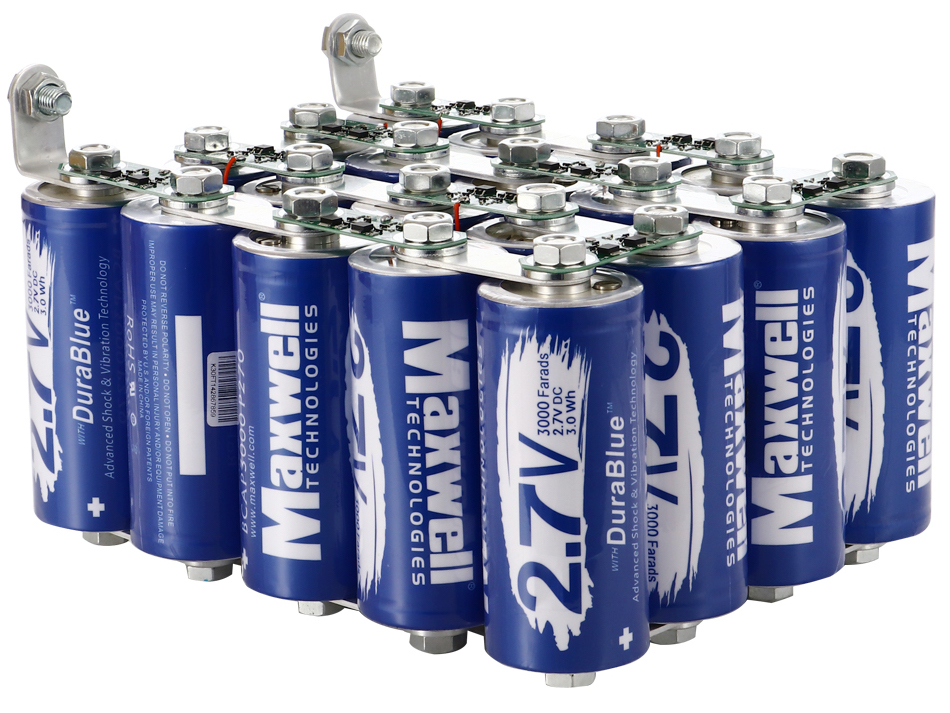
Rectifier Lab. We’ll work with “rectifiers” to condition the output of our DC and stepper motors. Intro to capacitors.
Materials needed: Kinetic kit parts, multimeter.
Take away: Incorporate the rectification circuit into your kinetic project.
4. Kinetic 2 (Feb 13)
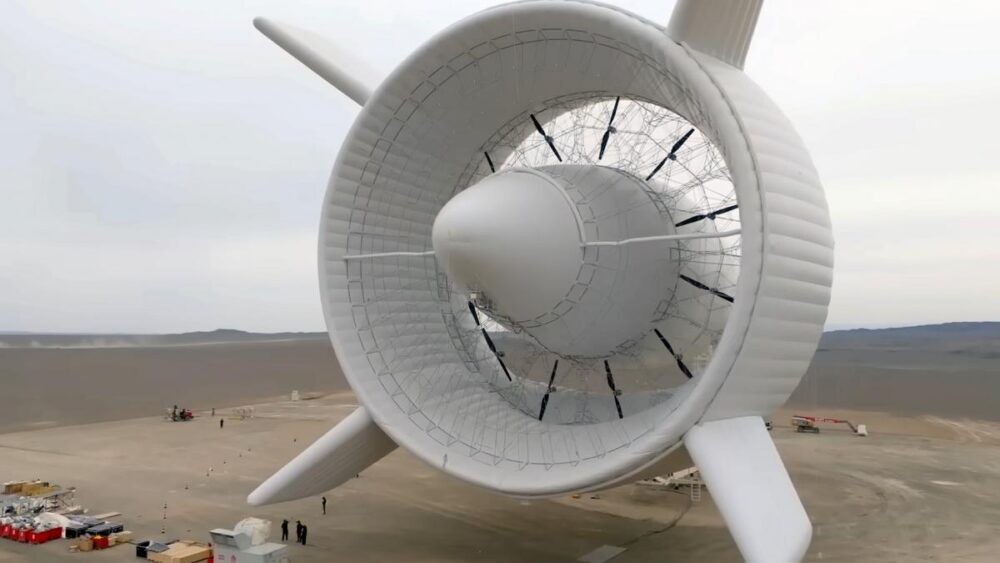
Grid-scale kinetic energy devices, kinetic art examples.
5. Kinetic Presentations (Feb 20)
6. Special Topics (Feb 27)
Nuclear energy (both fission today and maybe someday fusion) could be a significant source of steady, low-carbon electricity. But that incredible power comes with significant challenges and downsides. This is a rapidly developing space, so today we’ll review some fundamentals of nuclear power.